The Neighbor Who Pours Her Energy Over Ice
Rosa drinks her mate cold, from a glass jar, laughing at my second coffee. Her habit cost me $29.99 to test.


The jar on the porch
The ice in Rosa's glass pitcher knocked against the side when she set it on my porch table.
A wet circle spread under the bottom.
I had come out carrying my second coffee, careful with the hot handle, while she had brought a jar with a lid that used to belong to something from the grocery store.
She looked at my mug and laughed. Not a mean laugh.
The sort a neighbor earns after she has watched you carry the same drink through the same doorway often enough.
She turned the pitcher by its handle, and the ice shifted again.
That little sound was what made me look away from the coffee.
Rosa, my Brazilian neighbor in this opening scene, calls her cold mate habit tereré.
I had been reading another hot cup as the natural next step in a morning.
Here was a cold pitcher, a reused jar, and someone perfectly content to sit while the porch boards warmed.
Nothing about the arrangement required my coffee pot.

The pitcher made the refill look optional. That is the small turn I want to stay with.
Before there was a product page or a flavor name, there was a familiar habit interrupted by something I could see.
I did not need a grand plan for my life. I needed to notice the cup already in my hand.
I am Eleanor Vance, and this is a commercial buyer's letter built around a composed neighbor scene.
Rosa and the porch are storytelling, not customer testimony. I have not conducted a personal product trial.
The headline's $29.99 test belongs to that scene; $29.99 is also the verified product price in the supplied record, not a receipt I am claiming to have paid.
The actual purchase I am considering is Purivibe Yerba Mate Energy Tea Drink Mix, Passionfruit Guava with Guaraná.
I can tell you why that cold option interests me, what the supplied product sheet says, and what I still need to check.
I cannot turn an appealing porch into proof of how the finished drink tastes or what it will do.
The second cup has a head start

My second coffee usually wins before I hold a vote. The pot is there. The mug is there.
I have already opened the cupboard, and my hand follows a route it knows.
Calling that a deliberate preference sometimes gives the process more credit than it deserves.
Convenience can wear a convincing little disguise.
I am not planning a quarrel with the first coffee.
I understand the smell, the warmth, the familiar place for my hands.
What interests me is the next decision, when breakfast is over but the kitchen still seems to be asking whether I want more.
I can answer without making the same choice simply because the equipment is ready.
There are mornings when another coffee is exactly what I want.
There are others when I want something to sip while I read, or an excuse to leave the counter and sit by a window.
Those wants overlap, but they are not identical.
A cold drink gets a fair hearing only when I identify which one is actually mine.
The question is what I want the next drink to be. If I want coffee flavor, passionfruit guava is a substantial change.
If I want a break from another hot mug, the change is the attraction.
I would rather admit that plain preference than dress it up as a problem only a specialty product can solve.
At this stage I keep the purchase out of the answer. Water could fill the glass.
I could leave the mug empty. Purivibe has to earn its place among those ordinary possibilities.
The fact that I have noticed an automatic refill does not create an obligation to buy a replacement, and it certainly does not establish that I need more stimulation.
I imagine setting the mug down before I open the product page. That small pause gives me a cleaner comparison.
I am choosing a drink with a name, a flavor direction, a preparation method to check, and a price.
I am not signing up to become a different kind of person before I have even read the label.
What I can put on paper
I like a short buying note, particularly when the sales story has a porch in it.
The note holds the details steady while my imagination goes wandering off toward the ice.
Here I can write the brand, the full product name, the flavor, the listed price, and the questions the supplied sheet leaves open.
That is already useful work.

The recorded price is $29.99. It was verified in the supplied product record on November 9, 2026.
I keep that date beside it.
A dated price is a concrete starting point, but it does not tell me the final checkout total or authorize me to promise that the seller will keep the listing unchanged indefinitely.
The format is a tea drink mix. The flavor name is passionfruit guava, and guaraná appears in the product name.
The supplied description places it in a cold-drink story inspired by Brazilian tereré.
Those details explain why I am looking at this product rather than a different tea, a loose leaf preparation, or another coffee blend.
A product name is the beginning of the label. The short sheet is not a complete ingredient panel.
It does not give me permission to fill in sweeteners, calories, allergens, certifications, or ingredient amounts.
I would need the current package information for those particulars. A neat-looking buying note can still have honest blank spaces.
The separate energy page mentions 30 servings.
I write that as a seller page statement, not as a promise that every jar I pour will match the intended serving.
The actual package directions must tell me what the seller counts as a portion.
My kitchen jar has no special authority just because it looks comfortable in my hand.
I also write down that the supplied product sheet does not establish the caffeine amount in milligrams on the product listing.
That missing number matters to this comparison. I will return to it directly, without guessing.
First I want the basic purchase visible: a particular flavored drink mix, a recorded price, and a preparation I still need to read.
Cold changes the occasion
Temperature can be a buying reason all by itself. I do not need to call cold a breakthrough to admit that I sometimes want it.
A glass with ice belongs to a different little occasion from a hot mug. It sits differently on the table.
It asks for a coaster. It makes the familiar pause look less automatic.

In the scene, Rosa's jar has the practical charm of an object already at home.
I like that detail because specialty drinks can arrive surrounded by suggestions that I need specialty possessions.
Before buying any accessory, I would find out what the actual directions require.
A photograph of a pitcher does not establish that this mix needs one.
The hot-versus-cold distinction also helps me avoid an unfair comparison.
If I order a fruit-flavored cold drink and then complain that it lacks the roasted comfort of coffee, I have asked it to pass the wrong test.
I should know before paying that I am interested in a different flavor experience, not a disguised version of my usual cup.
I want the change to be one I actually welcome. That may mean cold sounds pleasant at the kitchen table but less pleasant on a chilly porch.
It may mean I like iced drinks at lunch and still want something warm earlier.
The decision can be that specific. A product does not need to occupy every hour to have a possible place.
I would consider the practical side of ice, too. It takes freezer space. It melts.
It can leave water on papers, which is a poor companion for the envelopes I sort beside my cup.
Those are small household details, but they tell me more about whether a routine will last than a polished picture of an immaculate counter.
The opening pitcher gives me a question I can use: would I enjoy this particular kind of pause?
The answer may be yes before I know anything about the seller's larger language. That is a perfectly respectable beginning.
It still leaves the label, caffeine information, directions, and full price to do their own work before I choose to order.
The flavor name has a job
Passionfruit guava is a more helpful phrase to me than a broad promise of energy.
It points toward a flavor choice I can consider, even though it does not establish exactly how the prepared drink tastes.
I have not tasted this product, and I will not supply a vivid flavor verdict simply because the name gives me something cheerful to imagine.

The name tells me the intended flavor direction. It does not tell me how sweet, tart, strong, or mild I will find it.
Nor does it tell me that the package contains a particular quantity of actual fruit.
I would read the ingredient panel for composition and leave sensory judgment until I have an actual drink prepared as directed.
I can be interested in a fruit-flavored mix without expecting it to resemble the coffee I usually make.
That difference is part of the offer. A second coffee repeats a familiar taste.
This asks whether I want a change.
I find that easier to decide when I stop asking which drink has the more exciting personality on a website.
I would buy the flavor, not the photograph. A bowl of fruit in an illustration is atmosphere.
It cannot certify ingredients, proportions, sweetness, or nutritional value.
That distinction matters because a cold jar can look simple even when I have not seen the complete label.
Looking fresh is not the same thing as providing all the facts.

If sweetness is important to me, I would ask which sweeteners the current formulation uses and read the nutrition information.
If I dislike certain flavor profiles, I would consider that before ordering.
There is no need to pretend a seller's chosen combination will please every palate.
Personal taste is allowed to be stubborn, especially when I am the one paying.
I like the possibility of a different afternoon flavor.
I also like the freedom to say that the idea sounds better to me than the likely drink.
Both are ordinary responses. The price deserves a real preference behind it.
A jar of something I wish I enjoyed would be an expensive way to decorate the refrigerator, however attractive the original porch scene.
What tereré adds to the story

Rosa brings a different habit into the opening. That is what I want the tereré detail to accomplish.
The supplied description calls Purivibe inspired by Brazilian tereré, a cold mate tradition.
I can carry that inspiration into the scene without pretending that buying a flavored mix gives me the whole history or experience of someone else's daily practice.
In my version of the porch, the neighbor is comfortable with her jar while I am busy deciding what to make of it.
The useful contrast is between her ease and my assumption that another coffee is inevitable.
It is a storytelling contrast, not proof that a Brazilian neighbor has used this brand or recommended it to anyone.
I would be wary of a letter that made the borrowed tradition responsible for the product's benefits.
A custom can explain an inspiration.
It cannot verify the finished mix, its caffeine amount, its nutrition, or how it will suit me.
Those questions return to the particular package and the information the seller can actually provide about it.
I can appreciate an inspiration without inventing an endorsement. That keeps the neighbor where she belongs: in a composed scene that makes a familiar decision visible.
I do not need to turn her into a source of scientific authority.
I would rather let her jar ask an ordinary question than put a sales speech in her mouth.
The distinction also gives me permission to prepare the product according to its own directions.
I do not need to reconstruct a traditional method from a photograph, and I should not assume that a flavored commercial mix uses the same quantities or process as another preparation.
The seller needs to tell me how this specific product is intended to be made.
What remains appealing is simple. Something I had pictured as a hot-cup decision can also have a cold-glass possibility.
The porch becomes a place to notice that possibility, then return to the practical facts.
I can enjoy the neighborly feeling without mistaking it for a reason to skip reading what I am about to purchase.
I can change the next drink without changing my whole morning.
The caffeine line stays blank
The supplied sheet describes stated caffeine from yerba mate and guaraná.
It does not establish a product-specific milligram amount on the listing.
I want that sentence to be easy to find because the entire comparison could become misleading if a reader heard cold tea and quietly translated it into a low-caffeine or caffeine-free alternative to another coffee.

I cannot rank the caffeine from this record. I cannot tell you that the prepared serving contains less than your second coffee.
I cannot tell you that adding ice makes the amount smaller.
I cannot tell you that a plant source makes a particular serving appropriate for you.
Those would be answers to questions I have not resolved.
The amount of water in a glass and the amount of mix in that water are separate details.
If I merely dilute a prepared serving, I have changed its concentration, not established a different amount of caffeine in the original serving.
I would follow the label rather than use a large jar as a substitute for measuring instructions.
Unknown is a useful word here. It stops me from borrowing a number from another mate brand or from a general coffee chart.
Even a plausible number would create false confidence when placed next to a verified price.
I prefer a visible question to a tidy comparison that depends on a figure nobody supplied for this product.
Before ordering, I would ask the seller for current caffeine information tied to the intended serving.
If a numerical caffeine limit is part of my decision, I would need a reliable numerical answer.
A product name, a flavor description, or the word natural would not answer it.
I would not make the purchase on the assumption that I could discover the amount by taste.
That missing information may decide the matter for some readers. It need not make the product uninteresting to everyone.
My job in this letter is to keep the consequence clear: this is a possible cold caffeinated alternative, with no demonstrated lower-caffeine comparison in the supplied record.
I can consider its other qualities while leaving that important question genuinely open.
A word on energy
Energy is part of the product name. It is also a word with enough room inside it for a reader to imagine almost anything.
I want to keep my own use of it close to the package description.
I am considering a caffeinated tea drink mix.
I am not reporting that it transformed a morning, sustained an afternoon, or improved a task.
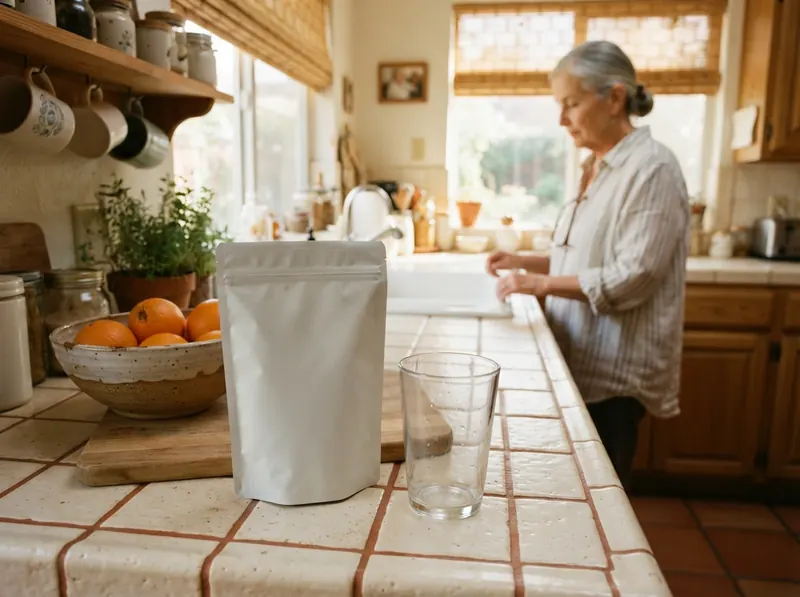
There is a difference between wanting something refreshing to drink and claiming that a product changes how well I function.
The first is a preference. The second needs appropriate evidence.
I can describe the cold-drink occasion without sliding from the ice in the jar to a promise about what happens in my head after the jar is empty.
The same goes for words such as smooth or steady when they appear to describe an effect.
I have no personal trial to report and no finished-product result supplied here.
I would rather leave those words out of my prediction than let a casual adjective do the work of a claim I could not support plainly.
The name does not write my experience in advance. I might like the flavor or find it unsuitable.
I might decide the preparation is simple enough for my kitchen or decide I prefer the convenience of my existing routine.
Those are useful purchase outcomes, but I cannot announce them before anyone has made and considered the actual drink.
If my real question is why I am struggling through the day, I would not expect this buying letter to answer it.
It describes a product choice, not an assessment of a personal condition.
I can keep that boundary without making the letter solemn.
Most of us understand that a beverage purchase and a conversation about our wellbeing serve different purposes.
For this purchase, the smaller promise is enough to investigate: a cold option, passionfruit guava flavor, a tea drink mix format, and a recorded $29.99 price.
I do not need to make the package responsible for every ambition attached to the word energy.
I need to decide whether I want the actual drink under the actual terms.
Coffee is a crowded kitchen
I am hardly alone in having a coffee habit to examine.
The National Coffee Association reports that two-thirds of American adults, 66%, drink coffee each day in its Fall 2026 reporting.
That is industry survey information, not a health study, and it says nothing about whether this product improves focus or whether I personally should replace a cup.

A popular habit can still be a personal choice. The survey helps explain why a second-cup story feels familiar.
It does not tell me that all coffee drinkers want the same alternative, or that the second cup has the same role in every kitchen.
I would be careful not to make a national percentage sound like a verdict on my morning.
Some readers will care mainly about temperature. Some will want a different flavor.
Some will want to know the caffeine amount before anything else.
Others will read this far and realize that coffee is exactly what they enjoy.
The product has to meet a particular person's preference, not a broad statistic about how many people have a mug nearby.
Familiar is not the same as compulsory. That is the useful sentence I take from the coffee comparison.
I can respect an old preference and still examine the next cup.
There is no need to call coffee bad to make a cold drink interesting.
The purchase question becomes clearer when I do not start by insulting something I have liked for years.
I also do not need to pretend that drinking coffee puts me on one side of a contest.
A cold tea mix can be an occasional option rather than a declaration.
I might still keep my usual coffee, my favorite mug, and all the ordinary reasons I liked them.
The seller is offering a product, not custody of my cupboard.
When I return to the porch scene, that is why the laugh works for me.
It interrupts the inevitability, not the dignity, of the second mug.
I would like the buying decision to keep that same light touch.
A person can change a drink without staging an argument with the whole previous chapter of her life.
Tea is not one thing
The word tea deserves a closer look. It is easy to hear a familiar category and assume that facts about one plant or preparation belong to another.
The supplied product is a yerba mate drink mix with guaraná.
I cannot take a general statement about green tea and use it as a product-specific finding for this different drink.

NCCIH explains that green, black, and oolong teas come from Camellia sinensis, and that green tea contains caffeine.
That is official general information, not a trial of Purivibe; the cited page does not quantify this product's caffeine or establish any focus result for it.
I use the reference to clarify the limits of a tea comparison.
The distinction matters because a broad tea story can quietly become a benefit story.
Someone mentions research on a different preparation, the photograph shows a pleasant glass, and suddenly the reader feels as if the glass has been studied.
I want to interrupt that feeling before it becomes a reason to pay for something the evidence has not actually tested.
I am buying a specified mix, not the entire tea aisle. Its own ingredients, portions, and directions matter.
If the label leaves a practical question unanswered, another tea's research will not answer it.
I would ask the seller about this package instead of searching for the most flattering result associated with the largest possible category.
I have left other ingredient studies out of the case for purchase.
The supplied record does not establish that this mix matches those preparations, and a long list of unrelated findings would make the buying decision seem more scientific without making it more accurate.
A shorter evidence discussion can be more useful when it keeps the actual product in view.
That leaves me with a perfectly understandable offer to examine.
I can like a cold mate-inspired flavor without asking it to inherit every claim ever made about tea.
The porch, the jar, and the price remain interesting.
They simply stand on their own practical merits while the research stays within the boundaries of what it actually describes.
Hydrating needs a plain reading
The supplied description uses hydrating language.
I would read that as part of the seller's presentation, not as a quantified advantage over water or a verified hydration outcome from this mix.
The sheet does not provide the information needed for a comparison of that kind.
I have no reason to turn an attractive cold drink into a technical hydration claim.

I can want a drink without needing a hydration story. Cold water is already an option in my kitchen.
If I consider spending $29.99 on a mix, the reasons need to include the specific product's appeal to me, not a suggestion that plain water somehow stopped counting when the flavored package appeared on the counter.
That distinction makes the shopping question less slippery. Am I interested in a fruit-flavored caffeinated drink?
Would I prepare it as directed? Do I want it enough to pay the full order total?
Those questions are easier to answer honestly than a vague sense that the package will make me a more responsible person for owning it.
The glass still needs an honest label. I would not infer electrolyte amounts, mineral content, or an athletic purpose from the word hydrating.
None of those specifications is established in the supplied sheet.
If such a detail matters to my purchase, I would request the current nutrition information and decide from what it actually says.
I also would not use the description to make the unknown caffeine amount less important.
The same drink can be described in several ways, and the appealing one does not cancel the questions raised by another.
A cold presentation and a caffeine source belong in the same buying conversation.
I do not get to read only the half I find pleasant.
The simple version is the one I trust myself to remember: this is a mix I would prepare according to its directions, with stated caffeine sources and a particular flavor name.
I can investigate whether I want it.
I do not need to imagine a special obligation to drink it, or a special deficiency that only its jar could fill.
The missing back panel
I want to see the whole ingredient list. The product name and short description give me a starting point, but they are not the back panel.
Before I decide, I would read the current full ingredients, nutrition information, allergen statements, portion directions, and any relevant cautions.
The supplied sheet leaves several of those particulars unverified.
That is not an invitation to write the package in my own head. Passionfruit guava does not establish the sweetener.
Guaraná in the name does not establish an amount. Tea drink mix does not establish the calories.
A phrase can be accurate and still leave a practical question unanswered.
I need to notice the gap rather than fill it with a favorable assumption.
I would keep the questions specific when I contact the seller.
Could they provide the current complete label for the exact product named here?
Is there caffeine information tied to the labeled serving? What are the current preparation directions? Those are ordinary buying questions.
They do not require a sales conversation about my aspirations for the rest of my life.
A clear answer should identify this product. I would not accept a general article about mate as a substitute for a label photograph or a direct product specification.
Nor would I assume a different flavor or a different package uses the same formulation.
The full name on my note helps me avoid asking a broad question and receiving a broad answer.
I also think about anyone else who might share the kitchen.
A cold jar can look like juice, especially if it sits beside fruit or a water pitcher.
Since this is presented as a caffeinated mix, I would keep its identity clear.
I would not let the casual glassware make the contents seem interchangeable with every other cold drink in the refrigerator.
Once the label is available, I can make a real decision. Perhaps it suits my preferences.
Perhaps an ingredient or instruction changes my mind. Either answer is useful.
The point of checking is not to collect enough paper to justify the order I already wanted.
It is to give the actual product a chance to agree or disagree with my needs.
The kitchen test starts with directions
I would not begin by copying the porch pitcher. I would begin with the current package directions.
The supplied sheet does not establish a scoop weight, a water volume, a mixing time, or a recipe for a whole pitcher.
A large glass jar looks friendly, but it does not tell me how much of this specific mix belongs inside it.
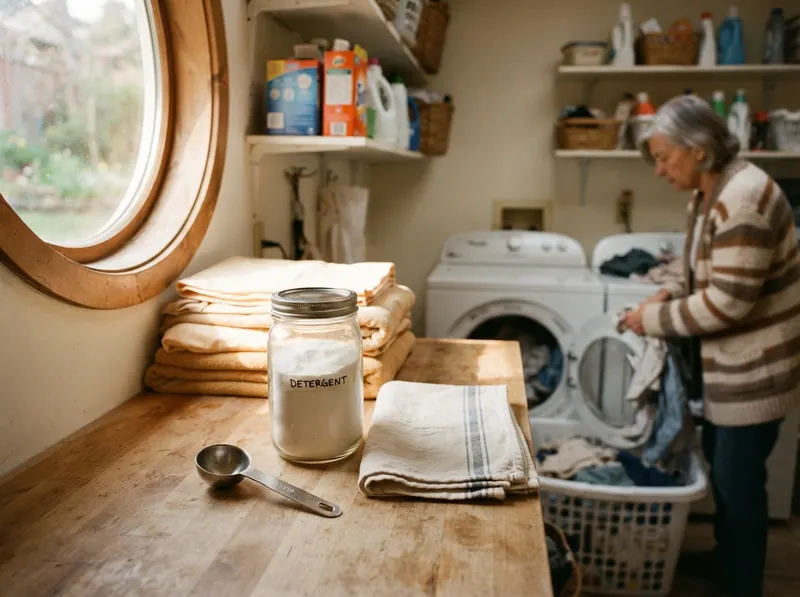
Directions come before improvising. That is especially useful when the caffeine amount is not established in the product record.
I would not add extra powder to chase a stronger flavor or make a stronger drink simply because the fruit name sounds gentle.
The actual labeled portion is the practical place to start, once I have the information needed to decide whether to use it.
I would look at what equipment the seller requires and what I already own.
Does the intended preparation suit my kitchen? Will I need to measure carefully, stir, shake, or use a particular container?
I cannot answer those questions from a picture.
I can decide whether the stated method sounds manageable once I have read it.
Simple has to mean simple in my house. A routine that is convenient for someone with a clear counter may feel different beside my dish rack and yesterday's mail.
I do not mind a small task for something I want.
I do mind buying the idea of convenience while leaving the actual work for my future self to discover.
I would also read any storage instructions and use appropriate containers.
The scene's reused jar is an illustration, not an instruction to use unsuitable glass, improvise storage times, or prepare more than I can handle safely.
The product needs to tell me how it is intended to be kept, and my household needs to make the contents identifiable.
The reward for this plain little check is a more believable picture of the drink in daily life.
I can imagine not only pouring it but finding the spoon, rinsing the container, closing the package, and putting everything away.
If I still like the idea after including those steps, the interest has become more useful than the original photograph.
The directions belong to the product, not the photograph.
One serving is a definition
The seller's energy page mentions 30 servings. That is a relevant statement, but I would confirm it against the exact package being offered before using it in my budget.
The supplied sheet does not give me a serving weight or a product-specific caffeine quantity.
I should not make those missing details appear by reading the serving count as a complete specification.

A serving is not whatever fits into my favorite glass.
The jar in the opening has no measurement marks, and a pitcher is only a container.
The current directions should define the portion.
I want that definition before I decide how the mix would fit my routine or how long a package might last in actual use.
I can say that a seller page mentions 30 servings without promising a month of drinks.
That promise would assume how often I prepare it and how closely my use matches the labeled portion.
I might choose it occasionally. I might decide I do not like it.
The package count and my future habits are separate pieces of information.
I would keep the count attached to its source. A shopper should be able to distinguish a product listing detail from a prediction made by the person writing the letter.
That matters because a package can sound more economical when its contents are stretched across an imagined routine.
The routine ought to be mine to choose, not something implied by the sales arithmetic.
For the same reason, I would not divide the price into a prominently advertised daily cost here.
The verified $29.99 package price is already clear.
Before making a portion-cost comparison, I would want the exact package quantity, the labeled portion, and the final checkout total.
I do not need a smaller-looking number to understand the basic offer.
The count can still help me ask a sensible question: is this the amount of a new flavor I want to purchase before tasting it?
That is a different question from whether the package looks like a bargain.
It puts the uncertainty of a first order where it belongs, beside the quantity I would actually receive.
What the price does and does not say
I keep returning to $29.99 because the dollar amount has a useful firmness.
It is the verified price in the supplied record.
It lets me consider a real purchase instead of wandering indefinitely through a pleasant story about a neighbor.
At the same time, that figure is not a complete receipt and does not settle every cost connected with ordering.

The package price is $29.99. Before paying, I would inspect the selected product, quantity, any applicable shipping and tax, and the final amount displayed at checkout.
I have no verified basis here to promise free delivery, a discount, a particular arrival date, or a return arrangement.
Those details belong to the seller's current terms.
I would also check whether the selected purchase is a single order or another arrangement.
I am not saying the seller requires a subscription; the supplied sheet does not establish one.
I am saying that I want the order I intend, with any choices visible before I pay.
A good buying decision includes reading the controls around the price.
Affordable still has to mean wanted. I can afford things I have no good reason to buy.
A price can fit my budget while a flavor does not fit my taste.
The most persuasive number in the world would not make a neglected package useful.
I would rather pay attention to that than congratulate myself for imagining a bargain.

Nor will I invent a coffee-shop comparison to make the amount look smaller.
My second coffee may come from my own pot, and I have not calculated its cost.
Comparing this package to a fictional daily café order would make the story tidier while moving it away from my actual kitchen.
I want to compare the choices I really make.
For me, the price question is straightforward: would I choose to spend this amount, plus any applicable order costs, to investigate this particular cold mix after the label questions are answered?
If I can answer that clearly, I do not need an elaborate savings story.
If I cannot, another paragraph about ice is unlikely to fix the reason.
The cupboard has a vote

A new package needs a real place to live. I have bought enough hopeful food to know that a crowded shelf can be an honest critic.
If the package requires storage conditions I cannot conveniently provide, or if I would have to dig behind other things each time, the routine deserves a little more thought before I order.
I would check the actual storage directions rather than assume that every drink mix belongs in the same corner of the cupboard.
The supplied sheet does not establish those details. What I can do now is look at my kitchen honestly.
There is a difference between having space for an attractive photograph and having space for something I plan to use.
I also think about the equipment that stays in the picture after the first preparation.
A glass, a suitable measuring tool, whatever mixing method the label describes: all of it needs to be findable and washable.
None of that sounds glamorous, but familiarity with my own dish rack is more reliable than enthusiasm about a counter I will never own.
I want the routine to survive an ordinary Tuesday. That means a day with a phone call, a load of towels waiting, and no special intention to stage a lovely beverage moment.
If the preparation still sounds reasonable under those circumstances, the product may have a practical chance.
If it requires a better version of me, I would reconsider.
There is no shame in preferring the simplest existing option.
There is also no shame in making a little effort for a flavor I enjoy.
The useful distinction is whether the effort feels welcome.
I would like to make that choice before a package arrives, while I can still see the difference between curiosity and a commitment I never really wanted.
The porch scene makes room for a small pleasure.
The cupboard test asks whether that pleasure has a sensible place indoors. I need both pictures.
The first gives the idea warmth, even though the drink is cold.
The second keeps the idea from becoming another object I move aside while reaching for the same old coffee pot.
The glass beside the newspaper
The focus question comes into a letter like this almost by itself.
I picture a reader, a newspaper, a cold drink on the table, and it becomes tempting to imply that the new jar improves the reading.
I want to stop before that suggestion gets comfortable.
The supplied record does not establish a focus, sharpness, or clarity result from this finished product.

A pleasant pause is not a measured clarity result. I can want a drink while I read without saying that it makes the reading better.
I can enjoy changing a familiar ritual without claiming that the change improves a mental task.
Those are different statements, and the second needs evidence the porch cannot provide.
In my own buying questions, focus means something ordinary: do I like the setting well enough to sit down with the thing I intended to read?
That is a preference about my surroundings.
I do not present it as a measured effect of a powder, an ingredient, or a caffeine source.
The jar can be company without becoming the explanation for my thinking.
I want clarity in the offer first. That means a full label, a defined portion, candid caffeine information, and a total I understand.
A clear purchase description does something useful right now.
It lets me decide what I am considering instead of allowing the most ambitious word on the page to become the reason I order.
I would be especially careful about a promise that the drink works better for readers my age.
The audience for a letter is not proof of an age-specific product result.
I can write for people who know their way around an established morning routine without pretending that the finished mix has been tested for their particular needs or preferences.
The newspaper stays on the table in my imagined kitchen. The drink stays beside it.
I can like that arrangement for the same reasons I like a comfortable chair and a little daylight.
I do not need to turn everything in a good scene into a performance aid.
Sometimes a sensible place to sit is allowed to be just that.
A question for the pharmacist
Some label questions belong with a professional. If medicines, personal caffeine guidance, or a particular health concern affect my decision, I would bring the exact current product label to a pharmacist or clinician.
I would not ask a fruit name or a composed neighbor scene to decide suitability, and I would not change a medicine because I am considering a beverage.

The current label matters because a short product sheet is not a complete review of ingredients or their amounts.
A professional needs to know what the actual product contains, rather than evaluate a general idea called tea.
I would also explain what I am considering doing with it, including the intention to compare it with a second coffee.
NCCIH notes possible medicine interactions for green tea and reports of liver injury primarily involving green tea extracts in tablet or capsule form.
That is general information about those products, not evidence of the same outcome from Purivibe and not an assessment of this different mix.
I would not transfer that warning wholesale to yerba mate.
The useful step is to ask about the actual label. The reference is a reminder that plant-based product categories do not answer every personal question.
It does not give me a reason to frighten readers about an unverified problem.
My task is to recognize where general buying information ends and a specific suitability conversation needs better information.
I would keep any answer tied to the product and portion discussed.
If the seller later provides a different formulation or the package differs from the information I brought, I would check again rather than assume the old answer covers everything.
That is a practical approach to a new purchase, not a reason to turn every glass into a complicated investigation.
For readers without such questions, the same basic buying work still applies: read the label, follow the directions, and understand the caffeine information available.
The point is proportion. A commercial letter should neither make personal safety promises nor manufacture a crisis.
It should give the product facts clearly enough that the appropriate next question is possible.
I am not quitting my mug
There is a particular kind of sales story that asks me to renounce my old routine before it tells me enough about the new one.
I am too fond of practical decisions for that.
I can investigate Purivibe without writing a farewell letter to my coffee mug.
My kitchen has room for a choice, even when my cupboard needs some rearranging.

Trying a different drink need not become a pledge. I might want a cold option on some occasions and a hot coffee on others.
I might decide this flavor is not for me. None of those possibilities would prove a lack of commitment.
They would simply tell me what I actually enjoy, which is the purpose of making a preference-based purchase.
I would also keep the idea of replacement separate from adding another drink.
If my intention is to reconsider the second coffee, I should notice whether I am actually changing that decision or simply creating another opportunity for a caffeinated serving.
The unknown product-specific caffeine amount makes it particularly important not to describe the change as a measured reduction.
The choice belongs to the occasion. I like that because it leaves room for weather, appetite, plans, and taste.
A cold jar may sound inviting while I sort mail on a warm day.
A familiar mug may sound better when I come home with cold hands.
I do not need a single beverage to win an argument across the whole calendar.
Keeping the choice small also makes the purchase easier to assess.
If I expect a new drink to replace every part of my routine, almost anything will disappoint me.
If I know the particular moment I want it for, I can ask whether the flavor, method, price, and label suit that moment.
That is a much more useful question.
So the mug stays on its shelf in the picture. It has done nothing wrong.
The jar sits beside it as a possibility that still has to answer practical questions.
I find this arrangement more believable than a dramatic conversion, and belief matters when I am deciding whether a pleasant page deserves an actual place in my kitchen.
A first order should stay modest
I would decide about the product before deciding about more of it. A first order of an unfamiliar flavor is already a decision with uncertainty inside it.
I do not need to enlarge that uncertainty because a larger selection looks more enthusiastic.
The supplied package record gives me one product at $29.99; that is the concrete offer I can discuss here.

I have no verified bundle price, bonus, introductory discount, or special quantity arrangement to add.
If the seller presents options later, I would read them at that point and compare the actual totals.
I would not assume that a different selection is automatically better value for me simply because it contains more of a drink I have not yet tasted.
The same restraint applies to accessories. A special glass can be lovely, but it does not answer the label questions.
A photograph of an inviting pitcher should not make a separate purchase feel required unless the actual directions establish a need.
I would rather begin with appropriate equipment I already own and the seller's real preparation instructions.
Curiosity can have a budget. I find that sentence helpful because it allows interest without reading interest as an obligation to proceed.
I can decide how much uncertainty I am willing to purchase.
If the unresolved caffeine amount or an unavailable ingredient panel makes the uncertainty too large, waiting for an answer is a complete and reasonable response.
There is no deadline in this letter and no claim that I need to act before other readers.
I am describing a dated price and a product to inspect, not a race.
The reason to place an order would be that the information and offer suit me, rather than that the writing has made the ordinary act of waiting feel like a mistake.
A modest first decision also makes later experience easier to interpret.
I can read the package, prepare it properly if suitable, and decide what I think of the actual drink.
I do not need an imaginary future full of empty containers to justify a single purchase today.
I need enough current information to choose that purchase honestly.
A purchase should fit the kitchen I actually have.
Shipping is part of the purchase
The opening takes place on a porch, so it is tempting to skip straight from checkout to a package sitting at the door.
Real orders have a space between those scenes.
The supplied sheet does not establish shipping charges, fulfillment timing, delivery timing, or the seller's handling of a delayed parcel.
I would read those details before paying if they affect my choice.

I would check the total before the button. A verified product price and a complete order amount are different facts.
If an additional charge makes the purchase less appealing, I want to discover that while I can still reconsider.
There is no benefit in letting the story make checkout seem like a formality after the decision is already over.
I would check the delivery address and selected quantity as well.
These are ordinary details, but they matter more to an actual order than another paragraph describing the sound of ice.
A buyer's letter earns its place by helping the reader reach a practical decision.
It should not become so absorbed in atmosphere that it forgets the parcel needs somewhere to go.
The receipt should match my intention. If I intend a single purchase of the named product, I want the order confirmation to show that.
If I have selected an option that changes the arrangement, I want to understand it before I authorize payment.
The supplied record does not establish those checkout choices, so I leave their specifics for the current seller page.
I also would keep the confirmation and any direct answers that influenced the order.
That gives me a practical record if the parcel arrives with a different product, the package information differs, or I have a question about what I selected.
A long commercial letter cannot replace a seller's order details, and I would not ask it to.
The porch is still a pleasant destination for the story.
I simply want the purchase to make sense before it gets there.
A drink that interests me remains interesting after I include shipping and paperwork.
If the complete transaction changes my mind, I have learned something useful while I still have the choice to leave it alone.
Returns are not a feeling
I have no verified return promise to offer. The supplied product sheet does not establish the current policy for this drink mix.
I cannot tell a reader to taste it freely and assume the remainder can go back.
Food return conditions can matter, and the friendly tone of a letter does not settle what the seller will accept.

Before ordering, I would read the current policy and ask about anything unclear. Does it cover this exact product?
What conditions apply to opened goods? Are there deadlines, authorization requirements, or costs that would affect me?
Those are questions to ask, not conditions I am claiming the seller has already stated. I want that distinction clear.
The phrase try it can create an impression of reversibility even when no return terms have been explained.
In this letter, trying the product means considering a real purchase with real terms to verify.
The illustrative subhead is not a promise of a free trial, a satisfaction arrangement, or a purchase without risk.
I would not want a reader to hear those things between the lines.
An appealing story is not a policy. I can like the jar and still decide that an unfamiliar flavor is not worth buying under the conditions offered.
I can also decide that it is worth the ordinary uncertainty once the label questions are answered.
Either decision should rest on the terms actually available, not on the warmth of the neighbor scene.
If returns are central to my willingness to order, I would resolve them before checkout.
That is more useful than planning to argue later about what an advertisement seemed to imply.
I would keep the seller's answer with my order record and make sure it refers to the current product and arrangement I am considering.
The purpose of this section is straightforward.
I do not want the price to look more comfortable because I have silently imagined an exit the supplied record does not establish.
The purchase can stand on its own merits: a specific mix, a flavor possibility, directions to check, and a total I understand.
It does not need an invented safety net.
When the package reaches the counter
If I order, I would give the arriving package a fresh reading.
The product on the counter is the one I would actually use, so its current identity, ingredients, directions, and condition deserve attention.
I would compare it with what I understood before checkout rather than let the excitement of a parcel turn the next step into an automatic one.

The package gets the last practical reading. Is it the product and flavor I selected?
Does the portion information answer what I expected it to answer? Are there instructions or cautions I had not seen?
If something important differs, I would contact the seller rather than improvise an explanation that lets me use it immediately.
I would not prepare the drink just to prove that buying it was sensible.
An order can arrive and show a question that needs an answer. That is allowed.
The money already spent should not make a missing detail less important, especially when caffeine information or an ingredient relevant to me is part of the concern.
Opening a parcel is not the end of checking. It is the point at which the seller's online description meets the actual package.
I would take that meeting seriously without making it dramatic.
Most of the work is reading, comparing, and following the instructions that apply to the exact product in front of me.
If all is clear and the product is suitable for me, then I can consider preparing it as directed.
The first real drink can answer questions the supplied brief cannot: what I think of the flavor, whether I like the temperature, and whether the process fits my kitchen.
Those would be personal observations made afterward, not results I can report in this letter.
I like keeping that future experience open.
It gives the actual product room to be liked, disliked, or simply judged ordinary.
A commercial story should not decide my reaction before the package is even opened.
The jar on the porch starts the curiosity; the label and the real drink, if I choose to make it, carry the next part.
What a fair first glass could tell me
A first glass can answer modest questions. If I have the necessary label information, decide the product suits me, and prepare it as directed, I can notice whether I like the flavor and the process.
Those observations are enough to inform a personal preference.
They do not become a controlled study because I write them in a notebook.

I could note whether I wanted a cold drink in that particular moment.
I could notice whether the jar was convenient to hold, whether the coaster earned its place, and whether cleanup felt reasonable.
The supplied brief does not establish those experiences, so I am describing the questions I would ask, not reporting answers I have already obtained.
I would be cautious about attributing every change in an ordinary day to a new drink.
A morning contains food, sleep, plans, interruptions, and all the little differences that are easy to ignore when a new package becomes the center of attention.
A personal impression may matter to my preference without proving what caused it or predicting anyone else's experience.
I would keep enjoyment separate from efficacy. Liking a flavor can be a complete reason to enjoy a product, if its label, price, and suitability also work for me.
It does not need to borrow the language of sharper thinking.
Conversely, disliking the flavor does not require a grand theory. It may simply mean I would rather drink something else.
I would not chase an effect by increasing the amount beyond the directions.
The unknown product-specific caffeine figure in the supplied record makes casual assumptions particularly unhelpful.
Any use would need to stay within the actual guidance and the suitability information relevant to me.
The taste question does not override those practical boundaries.
This is a quieter picture than a charmed first morning, and I find it more useful.
It leaves me with a real way to decide whether the product belongs in my cupboard.
A drink can earn a place through ordinary preference and manageable preparation.
It does not need an invented transformation to justify being something I might choose again.
What would make me pass
I can be interested and still decide against ordering. That possibility keeps the whole letter honest.
If the full label does not suit me, the caffeine question stays unresolved when I need an answer, or the complete cost exceeds what I want to spend, I would pass.
The porch would remain a pleasant scene without becoming a reason to override those facts.

A useful letter leaves room for no. I do not want a reader to feel that reaching this point creates a debt to the seller.
Reading is part of choosing.
Sometimes the best result of more information is recognizing that the product is not the one I want.
That is a practical success, not a failure of enthusiasm.
I might also pass for a simpler reason: I do not actually want passionfruit guava.
It is easy to be attracted to the idea of changing a routine and overlook the particular change on offer.
The product has a specific flavor direction.
If that direction does not appeal to me, the rest of the story should not bully my taste into agreement.
I do not owe the jar a purchase. That sentence makes the commercial part clearer.
The seller can offer a product. I can consider it.
The money stays mine until I decide the actual terms suit me.
An image, a neighbor, or a familiar second-coffee habit does not get to make that decision on my behalf.
Passing does not mean I must defend coffee forever, either.
I can choose water, wait for more information, consider another option later, or simply finish the drink I already made.
There is no need to turn an individual purchase into a referendum on my discipline or openness.
I am selecting something for an ordinary kitchen, not accepting a character assessment.
The freedom to pass also helps me recognize a real yes.
If I order after the relevant questions are answered, it will be because the mix and the offer appeal to me.
That is a sturdier reason than wanting the story to have a satisfying ending.
The ending can be satisfying even if the package never arrives at my door.
What would make me consider it
I would consider it for a particular occasion. I want a cold alternative to an automatic second hot coffee.
I am interested in the passionfruit guava flavor direction.
I am willing to read the label and directions, resolve the caffeine question to the extent my decision requires, and judge the full cost.
That is the practical case this product can actually make.

The stated caffeine sources would stay part of that case.
I would not reinterpret the drink as caffeine-free because I prefer its cold presentation.
Nor would I assume that it supplies less caffeine than the coffee I otherwise make.
Without a product-specific amount, that comparison remains unanswered.
A possible purchase needs to accommodate that fact rather than edit it out.
The seller page's mention of 30 servings could help me understand the intended package quantity once confirmed against the offer.
The $29.99 recorded price gives me a concrete amount to compare with my budget.
Neither detail tells me how the flavor will suit me or grants a demonstrated focus result.
They simply make the practical proposition easier to see.
The case can be appealing without becoming larger. I do not need a drink to solve the afternoon, improve my abilities, or rescue me from an old habit.
I may simply want a flavor and a cold-glass occasion that I do not currently have.
If that preference is real, and the product details suit me, it is enough to consider.

I also appreciate that I can make the preparation part of the decision.
If the actual method seems reasonable, the mix might fit.
If it is more work than I want, it might not.
This is where knowing myself matters more than admiring someone else's porch.
I am the one who will find the spoon and rinse the jar.
A yes would therefore be ordinary and conditional: the current product is the one described, its full information is acceptable to me, and its complete offer is one I choose.
I can say that without pretending I have already enjoyed a glass.
The honesty leaves the real experience ahead, where a first purchase properly belongs.
The porch without the sales copy

I return to the porch and take the product name out of the picture for a moment.
There is still a jar, a pitcher, a wet ring on wood, and a second coffee someone carried through the door without much thought.
The scene still works because the question inside it is ordinary. What do I actually want to drink next?
That question is available before any purchase. It is useful even if I never order Purivibe.
I can notice the automatic refill, consider whether I want it, and choose deliberately.
The brand offers one possible answer, with its own flavor and practical details.
It does not own the pause that made me look at the cup in the first place.
The laugh in the opening is allowed to stay friendly.
I do not need Rosa to scold me, recount a result, or present herself as an expert.
A composed neighbor can point toward an unfamiliar habit without becoming a false witness for a product.
That is why I have kept her actual speech and supposed experience out of the argument for purchase.
The scene opens a question; the facts guide the order. I want those jobs to remain clear.
A wet circle can make me feel the porch. A verified price can help me consider the expense.
A current label can answer ingredient questions.
None of those pieces should impersonate another simply because they appear on the same page.
If I cover the photograph, I should still understand the product: Purivibe Yerba Mate Energy Tea Drink Mix, Passionfruit Guava with Guaraná, recorded at $29.99, with a seller energy page mentioning 30 servings and no product-specific caffeine amount established in the supplied listing record.
That description is less picturesque, but it is the one I would take to checkout.
Then I can uncover the photograph again and enjoy it for what it is. I like the jar.
I like the idea of sitting rather than wandering indoors with another mug.
Those preferences may help a product catch my attention.
The buying work decides whether the attention becomes an order, and I want the reader to have both parts plainly.
I want the facts to remain clear after the ice melts.
The decision I would take inside
I would take a short checklist back into the kitchen. Do I want this particular cold flavor?
Have I read the complete current label and preparation directions?
Have I understood the caffeine information available well enough for my own decision?
Do I accept the full order amount and seller terms? Those are the questions that remain when the atmosphere settles.

If I cannot answer a question that matters to me, I would ask before paying.
If the answer changes my mind, I would let it. That is not excessive caution about an ordinary drink.
It is simply the normal courtesy of taking my own money and preferences seriously, especially when the package is new to my household.
I would keep the product price and the order total distinct, the seller's 30-serving statement and my actual use distinct, and the stated caffeine sources and an unverified milligram amount distinct.
Those separations keep a long letter from turning into a blur of favorable impressions.
They help me carry something precise away from the page.
The next cup can be a choice I recognize. It may be another coffee.
It may eventually be this cold mix prepared according to its directions, if the information and product suit me.
It may be water in the same plain jar.
I like an ending that lets the actual kitchen have the final say about what belongs there.
The short questions below put the purchase in practical view.
They do not measure a health need, prove that a drink is suitable, or award anyone a sharper afternoon.
They help organize a preference and point back to the seller for current details.
I would use them with the same ordinary judgment I bring to the cupboard and the checkout page.
I am Eleanor Vance, and I leave the pitcher on the porch table in the story.
The verified $29.99 price stays beside the product name in the offer. The unanswered questions stay visible beside it.
If I choose to continue, I want to do so because I understand what I am considering, not because the ice sounded persuasive when it touched the glass.
Questions I would ask before ordering
The purchase I am actually considering
I am considering a passionfruit guava tea drink mix at a recorded $29.99 product price, with stated caffeine from yerba mate and guaraná.
The seller's energy page mentions 30 servings; I would confirm the package and portion directions.
The supplied listing record does not establish a caffeine amount in milligrams, a complete nutrition panel, a finished-product focus result, or return terms.
Those blanks do not become promises because the drink is pictured cold.
What the references actually cover
NCA reports that two-thirds of American adults, 66%, drink coffee daily in its Fall 2026 reporting; that industry survey does not establish a health effect or a reason for an individual to switch. NCCIH describes green tea, including its caffeine and possible medicine interactions, and reports injury primarily involving green tea extracts in tablets or capsules; it neither quantifies this mix's caffeine nor establishes a Purivibe focus result. These are context sources, not clinical evidence for this finished product.
Paid advertorial in a composed buyer-letter format. Eleanor Vance is an editorial persona. Rosa, the Brazilian neighbor, the porch, the iced pitcher, and the jar are illustrative storytelling, not verified biographical events, customer testimony, a personal purchase, or a product trial. The subhead's $29.99 test is part of that composition and must not be read as an actual transaction. Product facts and the $29.99 price come from the supplied product record dated November 9, 2026; the separate seller energy page is recorded as mentioning 30 servings. Photographic prompts illustrate scenes and do not depict verified users or establish ingredients. This letter provides general buying information, not medical advice or evidence of improved focus, sharpness, or clarity. Confirm the current complete label, caffeine information, directions, suitability, final price, and seller terms before purchasing.
Yerba Mate Energy Tea Drink Mix — the jar next to the ice tray
Mother Mycelium. A drinking chocolate with 1,000 mg of lion's mane per serving — 100% fruiting body. $20.00 on the page I opened November 9, 2026.
Not a jar from the aisle. Not a second coffee. A mug of cocoa you make with a kettle.
What the buyer gets out of this box
- Energy you can pour over iceA cold passionfruit-guava mix — the second wind that doesn't need a kettle in a warm afternoon
- The South American answer to the afternoon slumpYerba mate and guaraná, the tereré tradition the seller builds on, no milligrams printed
- Hydration rides alongBuilt as a drink mix, not a pill — the glass of water you were going to skip anyway
- About a dollar a servingRoughly thirty servings per canister at $29.99 — cheaper than the vending machine
The seller prints 1,000 mg of lion's mane per serving. They do not print a study of this cocoa. We will not invent one.
Keep the first cup if it is doing its job. The second pour is the habit. This canister is the swap on the same kettle.
A mug of chocolate with the same kettle you already own.
The practical questions
What is the product in this letter?
I am considering Purivibe Yerba Mate Energy Tea Drink Mix, Passionfruit Guava with Guaraná. The supplied sheet describes a cold-drink concept inspired by Brazilian tereré. It is a commercial mix, not a verified reconstruction of a neighbor's recipe. I would confirm the exact current product and full label on the seller's page before ordering.
What price has actually been verified?
The supplied record verifies $29.99 on November 9, 2026. That is the product price described here, not a promise about future prices or a complete order total. Before paying, I would check the selected quantity, purchase arrangement, any applicable shipping and tax, and the final amount. This letter does not establish a discount or free delivery.
Does it have 30 servings?
The supplied sheet says the seller's separate energy page mentions 30 servings. I would confirm that count against the exact package currently offered and read the directions defining a serving. The record does not provide a serving weight. A jar or pitcher in an illustration is not a portion guide, and the count is not a promise of how long my package will last.
Is it caffeine-free or lower in caffeine than coffee?
I would read it as a caffeinated product: the supplied sheet describes stated caffeine from yerba mate and guaraná. It does not establish a product-specific milligram amount on the listing. I therefore cannot say that a serving has less caffeine than my second coffee, or that a larger glass or added ice establishes a lower-caffeine serving. I would ask for current serving-specific information.
What does it taste like?
Passionfruit guava is the intended flavor direction in the product name. I have not personally tasted it, and this letter does not establish its sweetness, tartness, texture, or my eventual preference. I would read the full ingredient and nutrition panels before buying. The fruit in an illustrative image is not evidence of a particular fruit quantity in the mix.
How should I prepare it?
I would use the current package directions. The supplied record does not verify a powder amount, water volume, mixing time, or whole-pitcher recipe. The porch jar and ice are storytelling details, not preparation instructions. I would not increase the amount to chase a stronger effect or use another brand's directions as a substitute for this product's own guidance.
Does the evidence establish better focus, sharpness, or clarity from Purivibe?
No such finished-product result is established in the supplied record. The NCA reference describes daily coffee consumption in an industry survey, not a health outcome or a reason to replace my own cup. The NCCIH reference is general information about green tea, not a trial of this yerba mate mix and not proof of a clarity effect from it.
What if a medicine or personal caffeine limit matters to me?
I would obtain the actual current label and ask a pharmacist or clinician about my specific situation. General information about another tea cannot establish this product's suitability for me. I would not change a medicine on the basis of a commercial letter, and I would not assume a caffeine amount when I need a reliable number to make the decision.
Can I return it after tasting?
The supplied sheet does not establish return terms for this product. I would read the current seller policy and ask about opened packages, applicable conditions, deadlines, and any costs before ordering if that affects my willingness to buy. This letter does not promise a free trial, an opened-product refund, or a particular outcome for a return request.
Did Eleanor actually buy and test the product with Rosa?
No. I am writing a composed commercial buyer's letter, not reporting a personal purchase or tasting. The porch scene, neighbor, jar, and subhead's test are illustrative. The $29.99 price is a verified detail from the supplied record. My practical discussion is based on that product information and the cited references, with unanswered questions kept visible.
Disclaimer
This page is a paid advertisement. Eleanor Vance is a pen name. The kitchen scenes are composed. If you buy through a link on this page, we may be paid a commission.
These statements have not been evaluated by the Food and Drug Administration. This product is not intended to diagnose, treat, cure, or prevent any disease.
Mother Mycelium · Broomfield, Colorado, EE. UU. · (720) 514-9582 · [email protected]
References. FDA, Spilling the Beans: How Much Caffeine is Too Much? · EFSA Scientific Opinion on caffeine. Seller facts as read on the Mother Mycelium product page, November 9, 2026.